-(10ft.-Sections-5ft.-Poles-On-Center)-250x250w.jpg "Aluminum Fences & Rails | 10ft Sections")

The Ultimate Guide to Hurricane Impact Windows: Everything You Need to Know
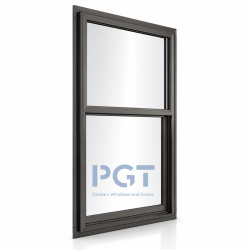
Hurricane impact windows, also known as impact-resistant windows, are specially designed to withstand the force of strong winds and airborne debris during a hurricane or severe storm. These windows are constructed with multiple layers of glass and a durable interlayer, typically made of polyvinyl butyral (PVB) or ethylene-vinyl acetate (EVA), which holds the glass together upon impact. The outer layers of the window are made of tempered glass, while the inner layer is laminated, creating a robust barrier against high winds and flying debris.
Impact-resistant window assemblies are designed and tested to resist specified windborne-debris impacts and wind-pressure conditions. The glass may crack during an impact while the assembly continues to resist a breach within its tested limits. Impact resistance does not guarantee that a window will remain undamaged or exclude all water. Wind-driven rain can enter through or around windows even when they remain structurally intact. Review the selected model’s performance documentation and installation requirements for your project.
Key Takeaways
- Hurricane impact windows are designed to withstand strong winds and flying debris during a hurricane or severe storm.
- Installing hurricane impact windows can provide benefits such as increased security, energy efficiency, and noise reduction in addition to storm protection.
- When choosing hurricane impact windows, consider factors such as the window material, design, and certification to ensure they meet local building codes and performance standards.
- The installation process for hurricane impact windows typically involves removing the existing windows, preparing the opening, and securely installing the new impact windows.
- To maintain hurricane impact windows, regularly inspect and clean them, and ensure that the seals and hardware are in good condition to maximize their durability and performance.
The Benefits of Installing Hurricane Impact Windows in Your Home
Appropriately selected and installed impact windows help protect openings against windborne debris and wind pressures within the assembly’s approved limits. Their storm performance depends on the specific product, opening configuration and installation. Water resistance is a separate consideration: ask about the model’s water-performance rating and the installation details used to manage rainwater.
Moreover, hurricane impact windows also contribute to improved energy efficiency and sound insulation. The multi-layered construction of these windows helps to minimize heat transfer, keeping the interior of the home cooler in hot climates and reducing the workload on air conditioning systems. Furthermore, the enhanced insulation properties of impact windows can help to reduce external noise, creating a quieter and more comfortable living environment.
Choosing the Right Hurricane Impact Windows for Your Property
When selecting hurricane impact windows for your property, it is essential to consider various factors to ensure optimal performance and suitability. Factors such as the design pressure rating, glass thickness, frame material, and installation method should be carefully evaluated to meet the specific requirements of your home and local building codes. Additionally, it is crucial to choose impact windows that have been tested and certified to meet industry standards for hurricane resistance.
Design pressure and impact resistance describe different performance requirements. A design pressure rating concerns wind-pressure loading; it does not by itself establish resistance to windborne debris. Check the applicable impact testing and approval documents for the complete window assembly, including its size, glass configuration, frame and installation details. Do not choose a window by glass thickness or a pressure number alone. Have the proposed configuration checked against the requirements for each opening.
The frame material, whether aluminum, vinyl, or fiberglass, should be selected based on durability, maintenance requirements, and aesthetic preferences. Lastly, the installation method should be performed by qualified professionals to ensure proper fitting and sealing for maximum effectiveness.
The Installation Process: What to Expect When Installing Hurricane Impact Windows
| Installation Process | Expectations |
|---|---|
| Preparation | Expect the installation team to prepare the work area by removing existing windows and cleaning the surrounding area. |
| Measurement | Expect the team to take precise measurements to ensure the new impact windows fit perfectly. |
| Installation | Expect the installation team to carefully install the hurricane impact windows, ensuring they are properly sealed and secured. |
| Testing | Expect the team to test the windows to ensure they meet safety and performance standards. |
| Clean-up | Expect the installation team to clean up the work area and dispose of any debris from the installation process. |
The installation of hurricane impact windows involves several essential steps to ensure a secure and weather-tight fit. Initially, precise measurements of the window openings are taken to custom-order impact windows that fit seamlessly into the existing openings. Once the windows are manufactured, the installation process begins with the removal of the old windows and thorough preparation of the window openings.
Subsequently, the new impact windows are carefully positioned and secured within the openings using appropriate fasteners and sealants to create a watertight seal. Proper flashing and caulking are applied around the perimeter of the windows to prevent water infiltration. Finally, a thorough inspection is conducted to verify that the installation meets all necessary building codes and standards for hurricane resistance.
Maintaining and Caring for Hurricane Impact Windows: Tips for Long-Term Durability

To ensure the long-term durability and performance of hurricane impact windows, regular maintenance and care are essential. Routine cleaning of the windows using mild soap and water helps to remove dirt, salt residue, and other debris that may accumulate over time. It is important to avoid using abrasive cleaners or materials that could scratch or damage the glass surface.
Inspecting the window seals and weather-stripping for signs of wear or damage is crucial to prevent air and water infiltration. Any damaged seals should be promptly replaced to maintain the integrity of the window system. Additionally, lubricating hardware components such as hinges and locks can help to ensure smooth operation and extend the lifespan of the windows.
Comparing Hurricane Impact Windows to Other Storm Protection Options
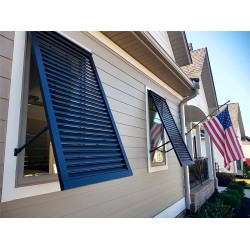
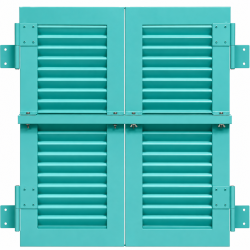
Compare impact windows, permanently mounted shutters and removable panels as different approaches to protecting an opening. The right choice depends on the existing windows, project requirements, budget and how you want to prepare for storms.
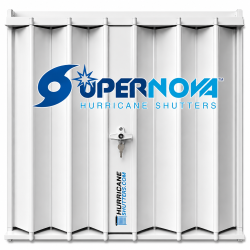
Accordion and rolling shutters remain mounted to the building and are deployed when needed; they do not normally require removal and storage between storms. Removable panels require installation before use and a suitable storage space. Rolling-shutter operation may be manual or motorized, depending on the selected system.
Impact windows replace the existing window assembly. For an appropriately selected and installed impact-rated assembly, storm preparation does not involve deploying a separate shutter over that opening. Confirm the selected product’s approval, opening limits and installation requirements for your project. Compare complete quotes rather than assuming one approach is universally better.
Frequently Asked Questions About Hurricane Impact Windows: Expert Answers to Common Queries
Q: Are hurricane impact windows necessary if I already have storm shutters?
A: Not automatically. First assess the condition and suitability of your existing windows and shutter system for the project. Permanently mounted accordion and rolling shutters do not require storage between storms, while removable panels do. Compare the approved configurations, installation requirements, operating preferences and full replacement costs before deciding. Q: Do hurricane impact windows block UV rays?
A: Yes, many impact windows are designed with UV-resistant coatings that help block harmful UV rays while allowing natural light into the home. Q: Can hurricane impact windows reduce insurance premiums?
A: In many cases, installing hurricane impact windows can lead to reduced insurance premiums due to their enhanced protection against storms and intruders.
Q: Are there different styles and designs available for hurricane impact windows?
A: Yes, impact windows are available in various styles and designs to complement different architectural aesthetics while providing superior storm protection. In conclusion, hurricane impact windows are a valuable investment for homeowners in hurricane-prone regions, offering unparalleled protection against extreme weather conditions while enhancing energy efficiency and security. By understanding their functionality, benefits, selection criteria, installation process, maintenance requirements, and comparative advantages over other storm protection options, homeowners can make informed decisions to safeguard their properties and loved ones during severe weather events.
Plan Your Impact Window Quote
Compare window styles and prepare your opening information before requesting pricing. For each opening, note the quantity, width and height, preferred operating style and frame finish. Include your project location and whether you need supply only or installation.
If you have a window schedule, plans or photos, have them ready for the estimate discussion. Clearly identify whether measurements describe the opening or the existing window; do not assume they are final manufacturing dimensions. Final sizes, product selection and installation requirements need confirmation before ordering.
Related Products
-250x250w.jpg "Horizontal Roller Impact Hurricane Windows | Air Master")